

Modern or Vintage? 5 Reasons Newer Cars Are Simply Better Than Older Vehicles

There's no denying that vintage vehicles have a style all their own. Simply take a look back at the original Volkswagen Type 1 "Beetle" or the Volkswagen Type 2 Bus and you'll see why classic cars still have a following to this day. However, as cool as they may look, there are some downsides to older vehicles, as well. Whether it's a classic 1960s car, a beater from the 1990s, or even a vehicle from just a decade ago, you might find that the older car you have your eye on simply doesn't match what new vehicles can offer. Learn more below, or check out our other informational pages.

5. Newer Vehicles Are Less Maintenance-Intensive
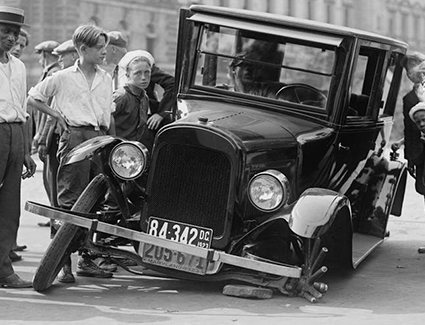
If you have a newer car, how often do you have to take it in for an engine tune-up? Have you had to get the carburetor adjusted or the spark plug wires changed recently? How about the distributor? When you're driving a newer vehicle, you won't need to worry about any of that. Classic cars, on the other hand, required much more frequent tune-ups to make sure that all these components were working as they should. As time has gone by and things like fuel injection and distributorless ignition have become commonplace, you'll find that required maintenance is much less frequent than in days past.
4. Security Is Better on Newer Vehicles
Have you ever watched a movie where a thief or a spy has to hotwire a vehicle? While that was certainly possible with older vehicles, it's much less common these days. That's because modern vehicles come with an engine immobilization system that doesn't let the car start unless your specific key is in the ignition. Security features like this mean that it's much less likely for you to look out your window one morning only to find that your Volkswagen isn't there to greet you.
3. The Engines in Newer Cars Are More Powerful & Efficient
Old cars aren't exactly known for their gas mileage, but looking at the stark difference in the numbers can really be surprising. Let's look at the Volkswagen Jetta, for example. In 1987, the most fuel-efficient VW Jetta got up to 31 miles per gallon on the highway. Nowadays, the Jetta can get up to 40 miles per gallon on the highway! Similarly, the most powerful engine in the 1987 VW Jetta didn't even reach 130 horsepower, while the new Jetta gets nearly 150 horsepower standard!

2. Driver Assist Technology Is Available on Newer Vehicles
Modern vehicles can be equipped with a number of amazing driver assist features. Blind spot monitors help alert you when someone is in your blind spot, while forward collision warning with autonomous emergency braking can either make accidents less severe or help you avoid them altogether. Even rear-vision cameras, standard on every new Volkswagen model, can't be found on many vehicles that are even just a few years old. Driving is safer and easier in new models.
1. Newer Cars Are Built To Be Safer
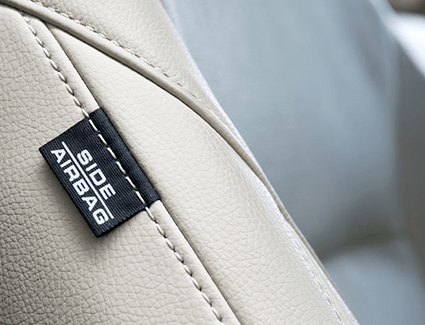
The way we understand safety has changed over the years. If you get an old enough vehicle, it may not even have crumple zones. And, while this can certainly protect the integrity of the vehicle during a car crash, it may just transfer all that force onto any occupants of the vehicle. Even vehicles made after the introduction of crumple zones may have less advanced airbags or construction that doesn't benefit from the latest and best safety research.
