

6 Fluids You Can Check in Your Volkswagen

There are lots of fluids in your Volkswagen. They all serve very different purposes, and they're all very important. Because of this, it's a good idea to check these fluids regularly. Below, we give you information on six fluids that you can check on your own--including what potential problems to look out for.
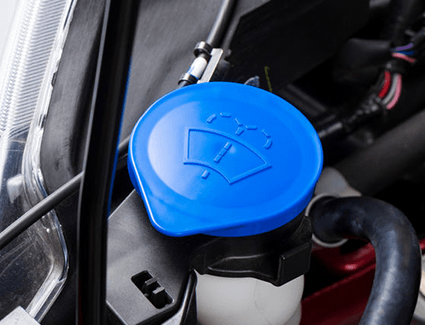

6. Windshield Wiper Fluid
You've likely used windshield wiper fluid before, and have probably even filled up the reservoir (it's the one with a windshield wiper fluid symbol on the cap). This is one of the easiest fluids to check--and it's important that you keep it filled up. If you need wiper fluid, but the reservoir is empty, you could be putting yourself and others in danger by way of decreased visibility.
5. Brake Fluid
Without brake fluid, your braking system wouldn't work the way it should. It's stored in a translucent reservoir with a minimum fill line. This means that it's easy for you to look in and see whether it's at the proper level. If the brake fluid is low, there's likely a leak somewhere. This could compromise your safety, so it's important to get it checked. While you're checking, make sure to take a look at the fluid itself. If it's clear or slightly yellow, it's probably in good shape. But if it's darker or murky, you should bring your VW in for a brake fluid flush. This is a fluid that should be checked monthly.
4. Power Steering Fluid
Like brake fluid, power steering fluid is generally stored in a translucent reservoir, so you can check it by sight. When you're making sure that there's enough power steering fluid, take care to also check out the color. Clear or reddish fluid is a good sign. However, if the power steering fluid is black or brown, it may have been contaminated.
If you drive a modern Volkswagen, it may not have any power steering fluid. That's because today's VW models, like many other brands, are equipped with electric power steering instead of a hydraulic system that requires fluid.


3. Coolant
Also generally kept in a translucent reservoir, the coolant is a crucial fluid that prevents the engine in your Volkswagen from overheating. Since it's so important, we recommend checking it every time you stop to refuel your car. If you do need to refill the coolant and want to do it yourself, please take extreme caution. Opening the radiator cap when the engine isn't cold can cause severe injury.
2. Automatic Transmission Fluid (for Vehicles with AT)
Unlike the fluids we've mentioned before, automatic transmission fluid requires a little more than a glance to check. As such, it will come with a dipstick that's typically red. To read the level of transmission fluid, remove the dipstick and wipe it down. Re-insert it into the reservoir, and then pull it out again. The fluid should come up to a line marked on the dipstick. This fluid should be checked monthly. Most automatic transmissions should have the fluid checked when the engine is warm. Otherwise, you could get an inaccurate reading.

1. Engine Oil
Every time you stop at a gas station to fill up your Volkswagen, you should get into the habit of checking the engine oil. Like automatic transmission fluid, you won't be able to simply look at the oil inside the engine, and you'll need to use a dipstick to check it. This dipstick is typically yellow on top. If you notice low engine oil, have your VW inspected right away, as this could damage the engine.